logo

Focus Areas

Expanding Impact Across Communities

Our work extends across cities, villages, and farmlands — addressing water challenges, restoring ecosystems, and building disaster‑resilient communities. We empower local populations with sustainable solutions, strengthen biodiversity, and create climate‑ready infrastructures. By combining innovation with tradition, we ensure that every region — urban or rural — thrives in harmony with nature.

In Cities

Challenges:
Urban waterways often suffer from sediment buildup, foul odour, excessive algal growth, and rising maintenance costs, making them unhealthy and unsustainable.

Solutions:
By adopting Ecological Smart City approaches, we ensure reliable water availability while eliminating air, water, and soil pollution. Our framework restores clean and healthy lakes, drains, and rivers by controlling sludge and algae, removing unpleasant smells, and reducing operation and maintenance costs. At the same time, we promote urban greenery and biodiversity, creating vibrant ecosystems that support all forms of life and enhance community well‑being.

Agriculture & Animal Husbandry

Challenges:
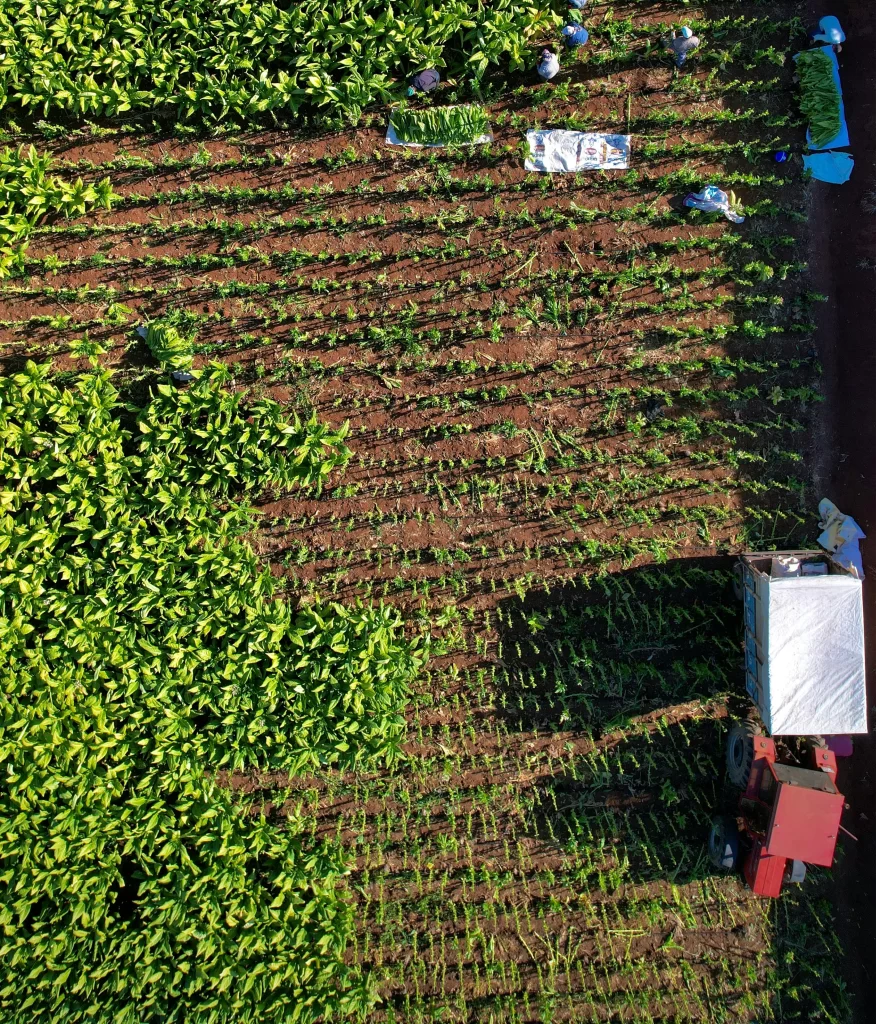
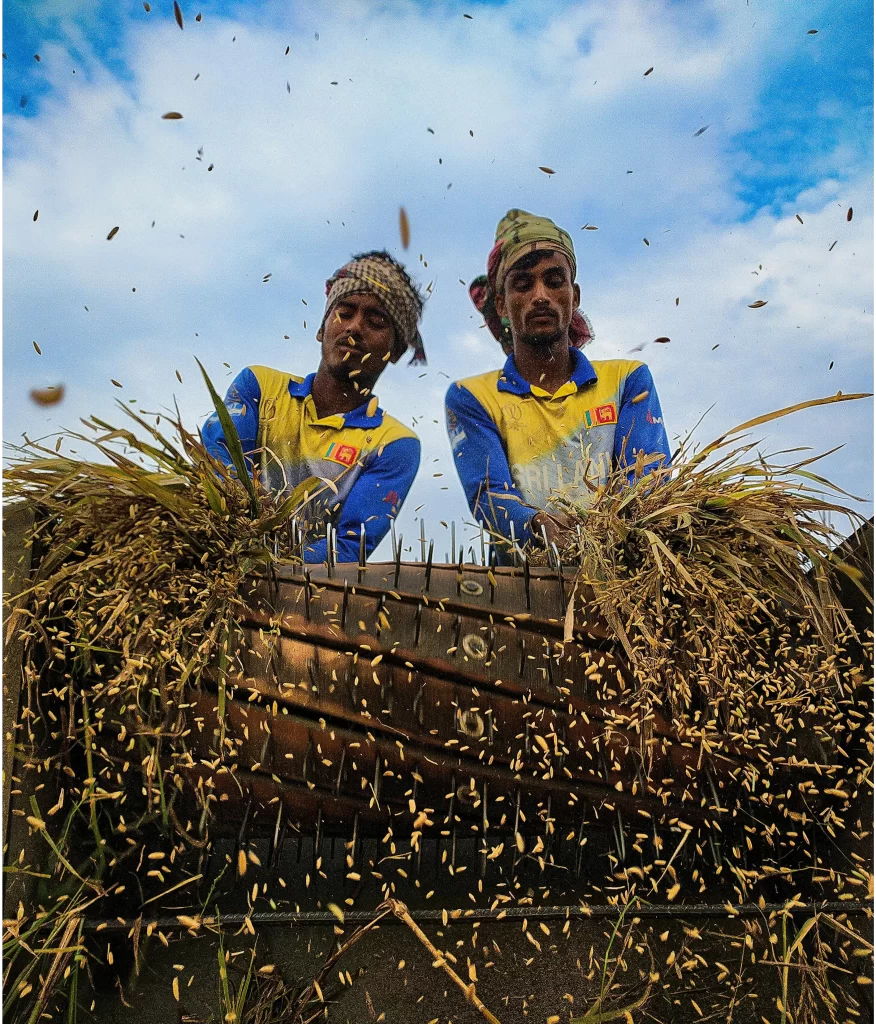
Farmers and green zones face increasing threats from pests, diseases, and unpredictable weather patterns. To combat these issues, heavy use of chemical fertilizers and pesticides has become common — gradually damaging soil health, reducing beneficial microorganisms, and depleting natural fertility. The result is declining productivity and poor soil vitality across farmlands.

Solutions:

  • Ensure year‑round water availability by transforming ponds and borewells into perennial sources.
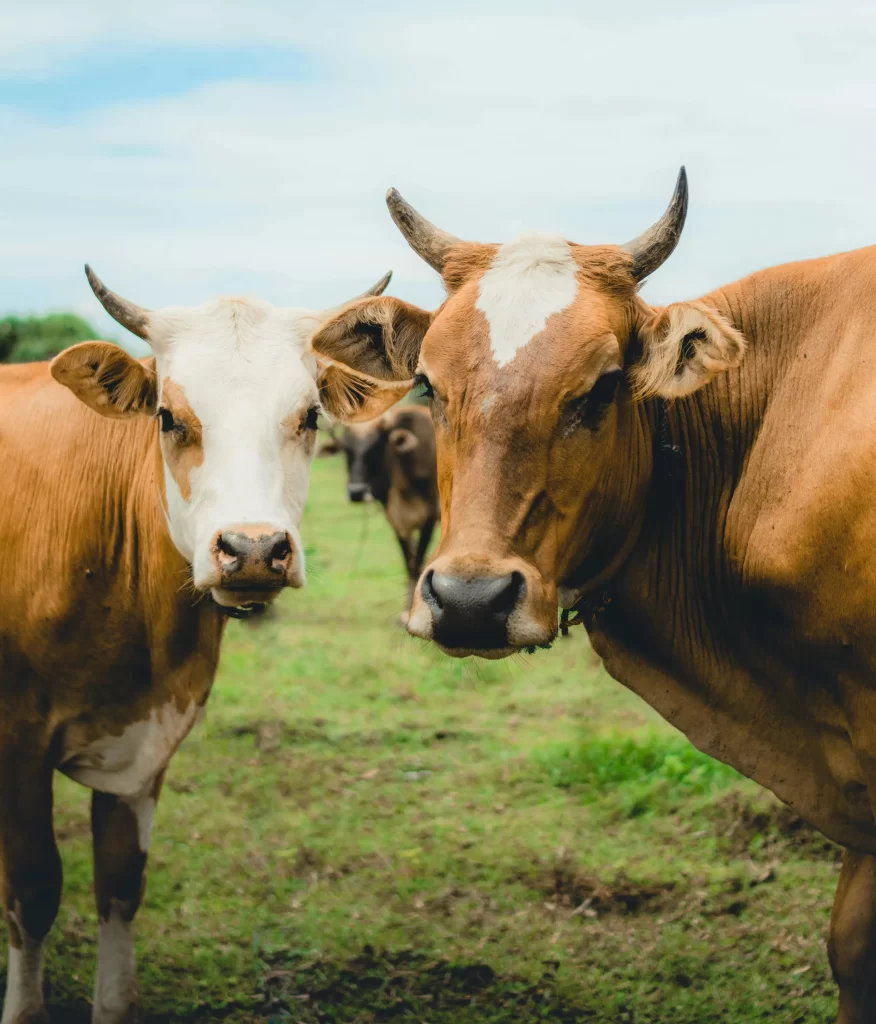
  • Maintain clean, nutrient‑rich pond water to enhance livestock health and productivity.
  • Enable chemical‑free farming using pond water, improving soil organic carbon levels ( > 1 %) and making crops naturally resilient to diseases, pests, weeds, and weather stress.
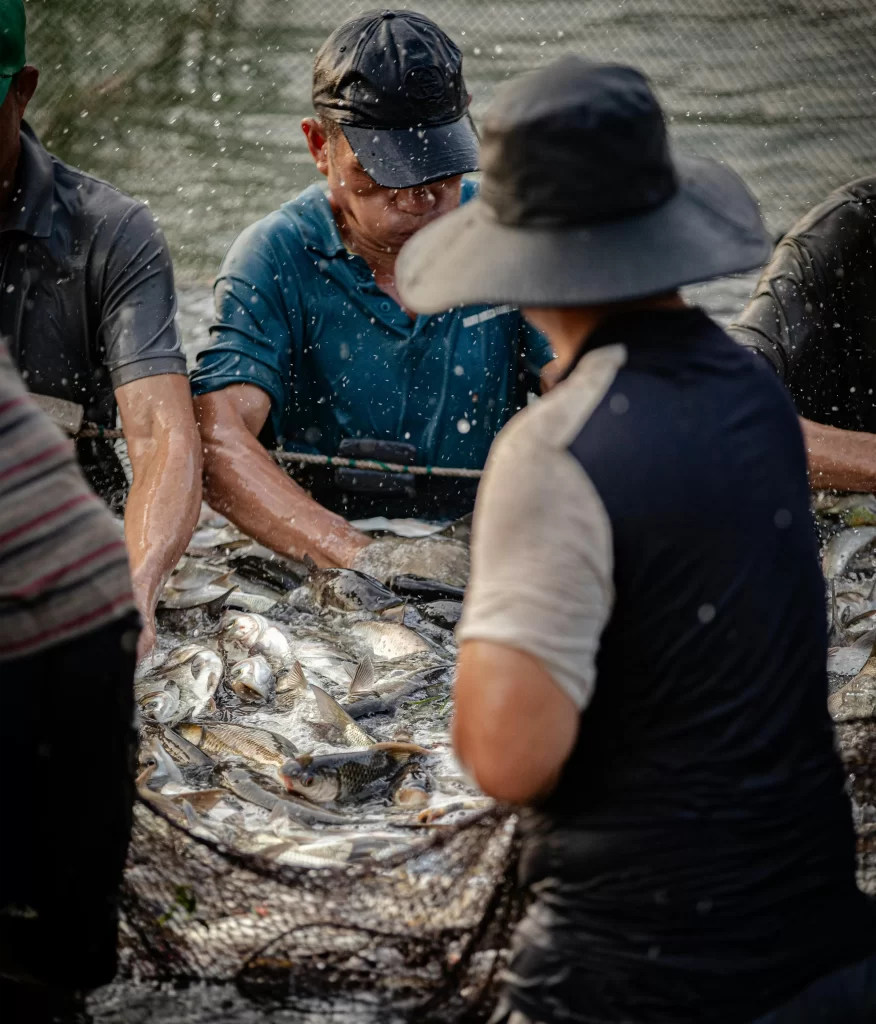
  • Achieve zero mortality in aquaculture through effective control of diseases and environmental impacts.
  • Convert barren and wastelands into fertile, sustainable farmland, supporting long‑term agricultural growth.

Water Scarcity & Sewage Management

Challenges:
Water scarcity arises from over‑extraction, uneven distribution, climate change impacts, rapid urbanization, population growth, and pollution of natural sources.
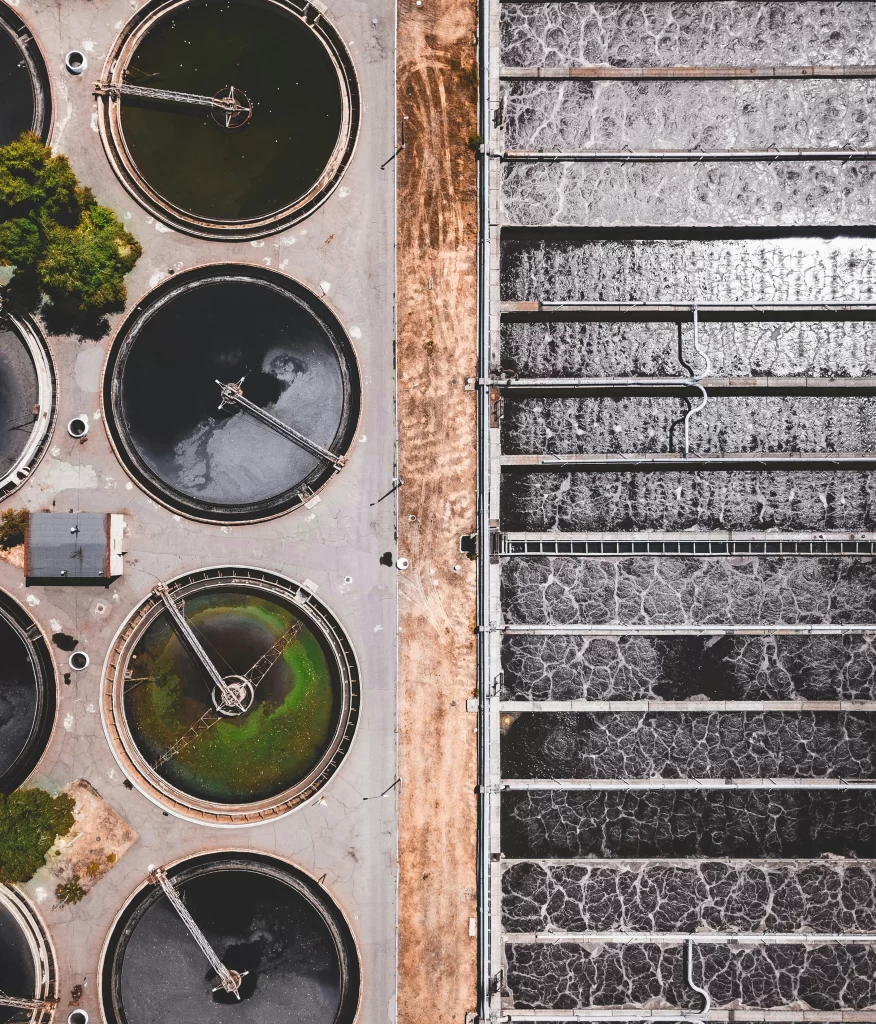
Sewage management struggles with inadequate infrastructure, untreated discharge, fast‑paced urban expansion, high operational costs, and poor sludge handling — all of which threaten public health and the environment.

Solutions:

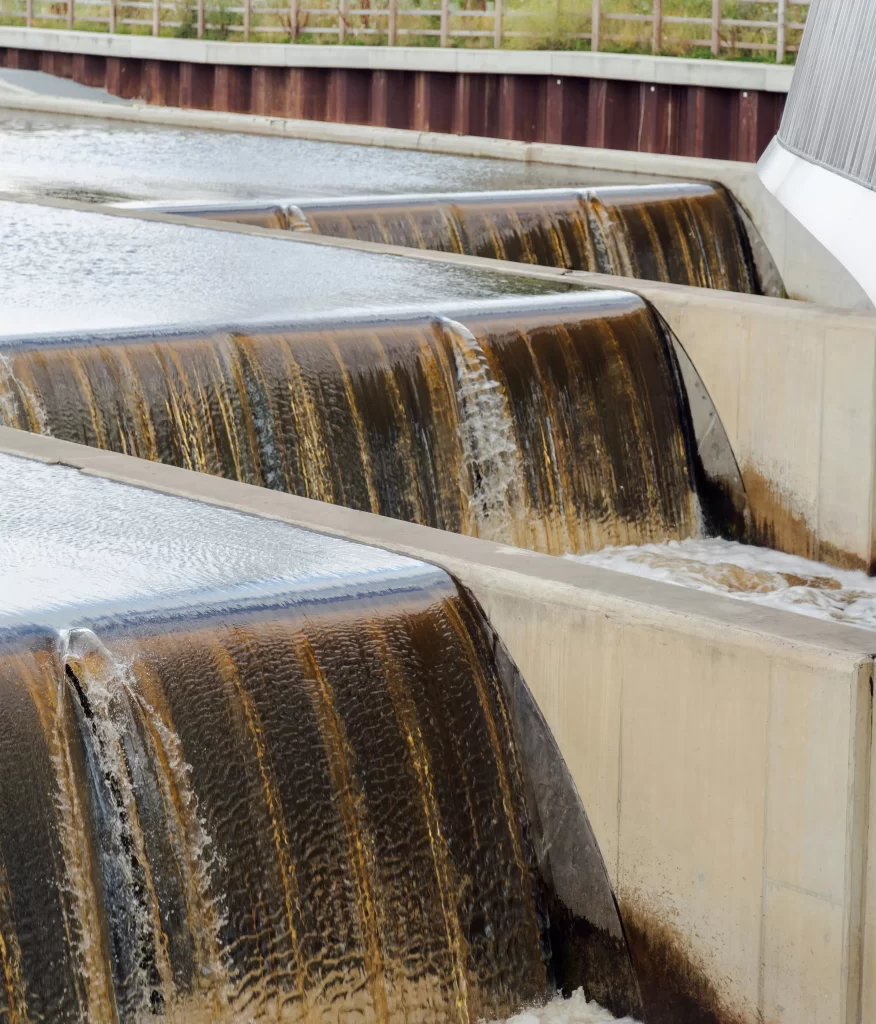
Deliver efficient, sustainable sewage management by upgrading infrastructure, treating sewage at the source, supporting expanding urban areas, lowering operational costs through optimized systems, and ensuring safe sludge treatment.

Provide innovative water solutions to reduce over‑extraction, guarantee equitable distribution, mitigate climate change impacts, meet growing urban demands, and protect water sources from pollution.

Build resilient urban ecosystems where clean water and effective waste management drive healthier communities and long‑term sustainability.


Aquaculture

Challenges:
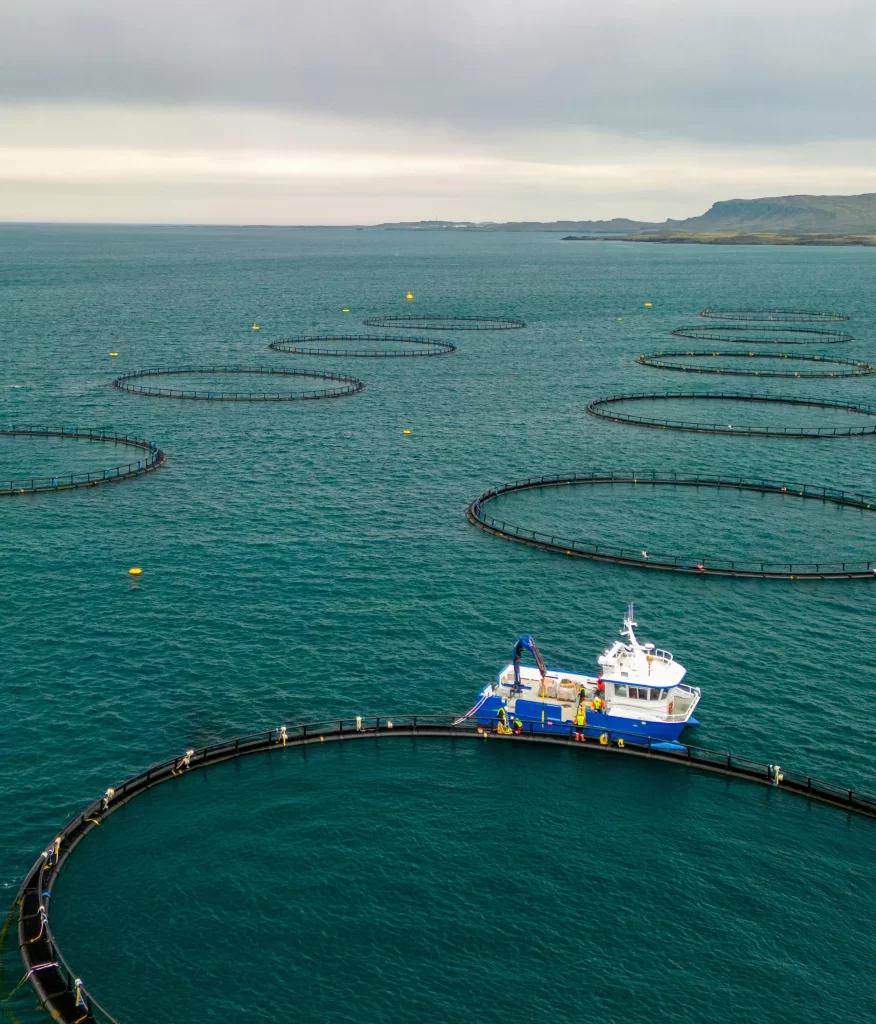
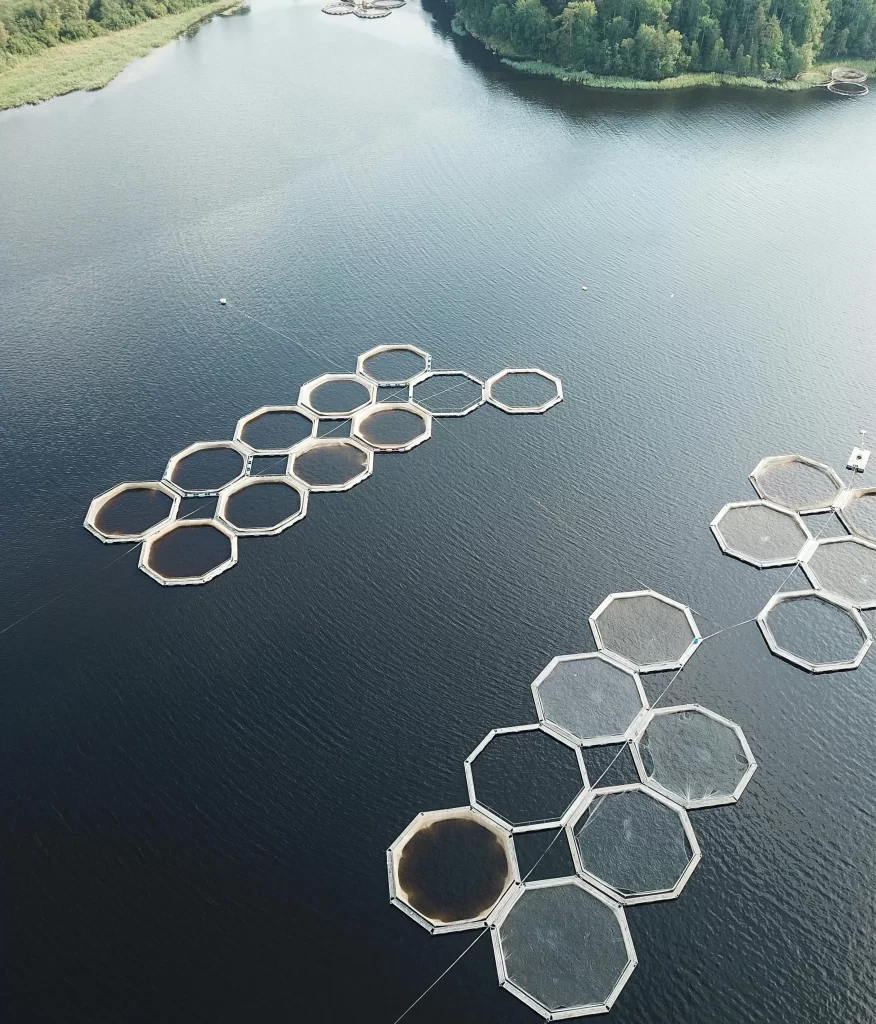
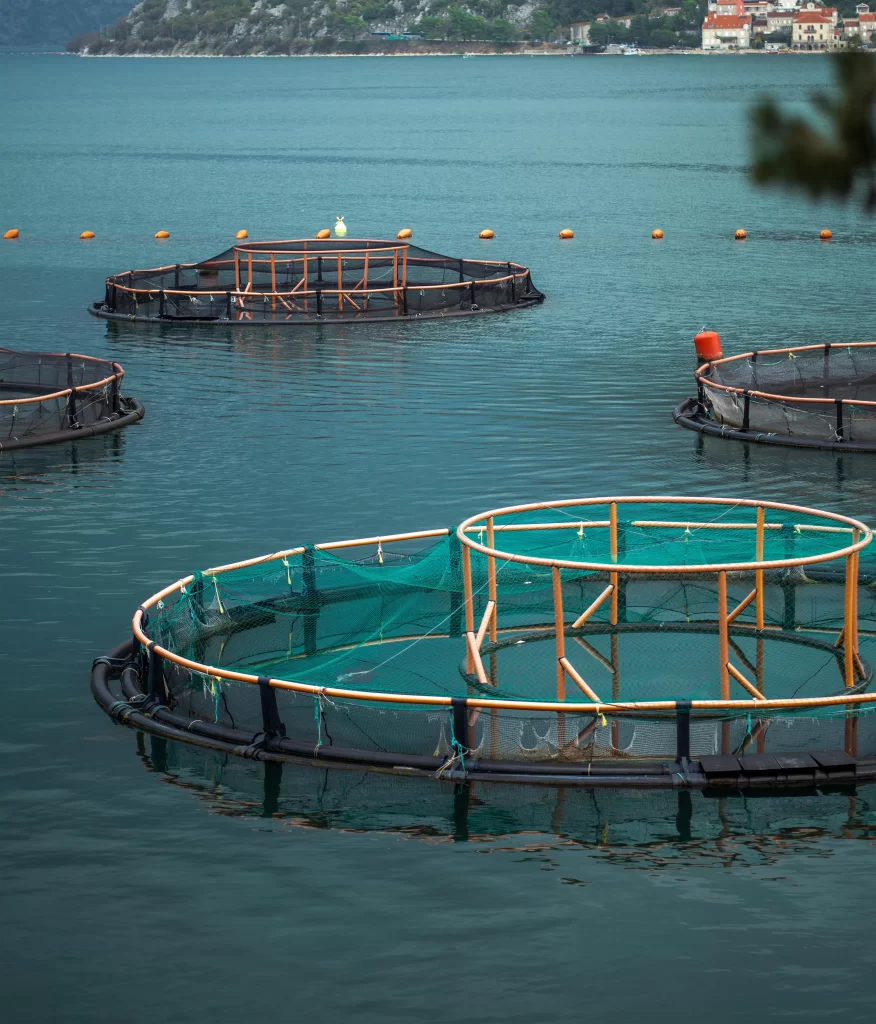
Aquaculture faces multiple hurdles — water pollution, waste accumulation, and low oxygen levels that threaten fish health. Frequent disease outbreaks cause high mortality and financial losses. Rising feed costs with poor conversion efficiency, environmental degradation, and climate change impacts (heat stress, extreme weather) further weaken the sector. In addition, there is a shortage of quality seed, broodstock, skilled manpower, and modern technology adoption.

Solutions:

  • Maintain optimal water parameters for fish health: Ammonia < 0.50, Dissolved Oxygen 4–5, and pH 7–9.
  • Eliminate sludge and reduce water viscosity, creating ideal conditions for high‑yield, export‑quality fish production.
  • Enable year‑round breeding by sustaining healthy water conditions.
  • Restore natural aquatic food chains by supporting water and mineral cycles in their natural rhythm.
  • Adopt 100% chemical‑free technology, ensuring sustainable aquaculture, agriculture, and animal husbandry.

Ecological Rejuvenation & Disaster Mitigation

Updated Content:
Ecological rejuvenation and disaster mitigation are achieved through restoring natural water bodies, enhancing soil health, and adopting nature‑based solutions. By making ponds, lakes, and borewells perennial, we strengthen groundwater recharge and reduce risks of water scarcity, floods, and droughts.

Healthy water systems nurture biodiversity, livestock, and aquaculture, while chemical‑free agriculture boosts soil organic carbon, improves fertility, and stabilizes food production. Together, these measures build resilient ecosystems, reduce climate risks, prevent land degradation, and create self‑sustaining communities capable of withstanding disasters.